
 Curtain Motors
 Controls
 Tubular Engines
 Venetian Blind Motors
 Vertical Engines
 Vertical Apparatus
 Fabric Curtain Spare Part
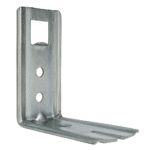 Folding Curtain Square Shaft Spare Parts
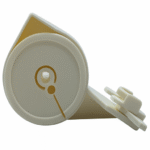 Folding Curtain Hexagonal Shaft Spare Parts
 Bamboo Roller Blind Spare Parts
 Fabric Curtain Accessories
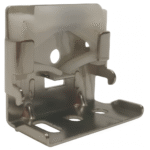 Jalousie Spare Part
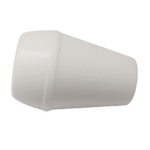 Wooden Venetian Blind Spare Parts
 Aluminum Venetian Blind Spare Parts
 Roller Blind Spare Part
 16 Mini Machine Spare Parts
 32 Mechanism Spare Parts
 38 Mechanism Spare Parts
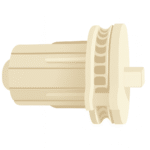 Motorized Curtain Spare Parts
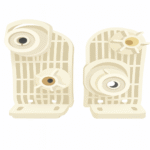 Double System Spare Parts
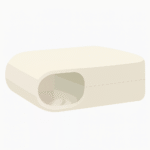 Curtain General Spare Parts
 Vertical Curtain Spare Part
 PVC Vertical Blinds Spare Parts
 Fabric Vertical Blind Spare Parts
 Japanese Curtain Spare Parts
 Wooden Curtains
 Aluminum Jalousie Curtains
 Polyester Roller Blinds
 Blackout Roller Blinds
 Screen Roller Blinds
 Fabric Vertical Curtains
 Tulle Vertical Blinds
 Backdrop Curtains
 Pillow
 Tulle Curtains






General Features of Blackout Roller Blinds
Blackout blinds are produced using special fabrics with zero light permeability. They are used in windows that receive excessive sunlight, meeting and conference rooms, hotel rooms, as well as bedrooms. They are a type of blind designed to darken the environment, especially in workplaces where presentations are made with a projector. Blackout blinds, also known as blackout roller blinds, are manufactured using special fabrics with zero light permeability. In areas that receive extreme sunlight, they can also be used half-closed if desired. They are among the preferred solutions for meeting and conference rooms. They are also used in bedrooms and hotel rooms. Another application method is combining them with sunscreen blinds. This allows light to be filtered when desired or completely blocked. Thanks to their practicality and elegant appearance, they are widely preferred in hotel rooms.
Choosing the Color of Blackout Roller Blinds
Gray is a diplomatic and serious color. Gray lowers energy, slows down movement, and represents weight and seriousness. Since it eliminates creativity, it is often used in government offices where creativity is not required. Most office supplies are noticeably gray. If your work requires speed rather than thinking and creativity, gray may be a good choice. Additionally, gray symbolizes modesty, negative emotions, fear, and lack of imagination. It is conciliatory, but excessive use can feel overwhelming.
Parts of Chain-Operated Roller Blinds
Roller blinds can be manufactured as chain-operated, spring-operated, semi-automatic, or motorized, depending on preference. In chain-operated roller blinds, the fabric is typically wrapped around a 32 mm aluminum tube. Mounting is done by attaching roller blind head mechanisms to both ends of the aluminum tube. When the chain is pulled, the fabric wraps around the tube; when pulled in the opposite direction, the fabric unrolls and closes the blind. The bottom of the blind can be a straight hem bar or decorated with trims such as lace or beads. The chain is an endless chain, and it can be adjusted to allow the fabric to descend in front of or behind the tube, preventing it from hitting door handles. A plastic handle is attached to the end of the endless chain for neatness. Plastic caps are placed on both ends of the bottom rail for aesthetics. The bottom hem can be cut into various shapes and finished with trims such as lace, beads, or metal rods.
Roller Blind Parts
-
Chain-Operated Roller Blind Head Mechanism
-
Head Mechanism Installation
Parts of Spring-Operated Roller Blinds
In spring-operated roller blinds, fabric is wrapped around a 32 mm aluminum tube. Roller blind springs and caps are mounted on both ends of the tube. The spring is tensioned and attached to the mounting bar. With the mounting bar, the blind is installed on the wall or ceiling using roller blind brackets. When the blind is pulled with the cord, it locks into place as it rises slowly. To open it, gently pull the cord down and release it upward without pausing; the spring mechanism pulls the fabric up. The blind can be stopped again at the desired position. If the spring loses tension and doesn’t pull upward, the spring can be tightened further.
Spring-operated roller blinds are available in 24 mm, 28 mm, and 32 mm tube and spring sizes.
Parts of Motorized Roller Blinds
In motorized roller blinds, fabric is wrapped around a 45 mm aluminum tube. A tubular motor is mounted on either the right or left side of the tube, with a cap on the opposite end. After electrical connection, the blind is operated up and down using a multi-channel remote. Once installed, upper and lower limits are adjusted, so the blind stops at the set positions.
Roller Blind Measurement
When measuring for roller blinds to be installed above a window or door, extend the width (A) 10 cm beyond each side of the frame. For the height (B), add 20 cm for rolling allowance.
When viewed from the side, the installation point must be carefully determined to prevent interference with opening window or door handles.
For inside-frame measurements, check the straightness of the walls and measure at the narrowest point to ensure smooth operation. From the measured width (A), subtract 0.5 cm from each side when ordering. In side profile, pay extra attention to door and window opening directions and handles; insufficient space may prevent them from opening. Below are thicknesses and widths of roller blinds — examine carefully before placing an online order.
If ceiling installation is chosen, consider the possibility of windows or doors not opening. If opening seems difficult, installation can be done above the frame. However, door and window handles may hit the blind. In this case, since the chain is endless, you can reverse-roll the blind by rotating it completely to avoid the issue.
Roller Blind Installation
When installing roller blinds, ensuring level alignment is very important. If the blind rolls unevenly to the right or left, the cause is misalignment.
After installing the roller blind brackets, attach the head mechanism as shown. Press the spring-loaded cap on the other end and insert it into the opposite bracket slot. If installing two blinds side by side, use a connecting bracket between them to minimize the gap.











Reviews
Clear filtersThere are no reviews yet.