
 Curtain Motors
 Controls
 Tubular Engines
 Venetian Blind Motors
 Vertical Engines
 Vertical Apparatus
 Fabric Curtain Spare Part
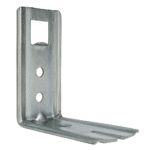 Folding Curtain Square Shaft Spare Parts
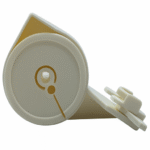 Folding Curtain Hexagonal Shaft Spare Parts
 Bamboo Roller Blind Spare Parts
 Fabric Curtain Accessories
 Jalousie Spare Part
 Wooden Venetian Blind Spare Parts
 Aluminum Venetian Blind Spare Parts
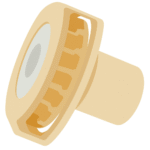 Roller Blind Spare Part
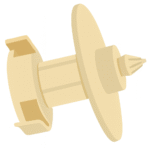 16 Mini Machine Spare Parts
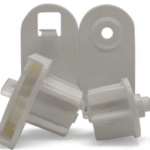 32 Mechanism Spare Parts
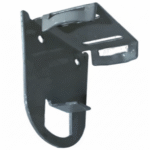 38 Mechanism Spare Parts
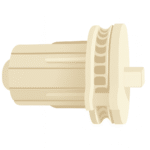 Motorized Curtain Spare Parts
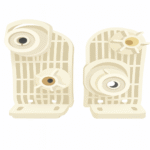 Double System Spare Parts
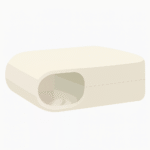 Curtain General Spare Parts
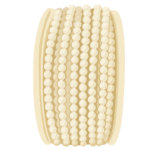 Vertical Curtain Spare Part
 PVC Vertical Blinds Spare Parts
 Fabric Vertical Blind Spare Parts
 Japanese Curtain Spare Parts
 Wooden Curtains
 Aluminum Jalousie Curtains
 Polyester Roller Blinds
 Blackout Roller Blinds
 Screen Roller Blinds
 Fabric Vertical Curtains
 Tulle Vertical Blinds
 Backdrop Curtains
 Pillow
 Tulle Curtains






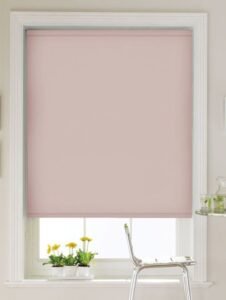




General Features of Zebra Roller Blinds
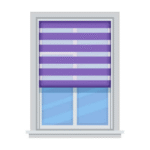
Zebra blinds are a type of mechanism-operated blind that has recently become very trendy. They get their name from the alignment of fine and thick weaves in a striped pattern. With a dual-layer fabric—one fixed and the other movable—the mechanism works on an open-close principle by shifting the layers. Zebra blinds, with their delicate fabric, bring elegance and sophistication to any space. Combining the features of both sheer and roller blinds, zebra blinds are a must-have element of window décor, suitable for use alone in all types of interiors. With a wide range of colors, these fabrics require minimal maintenance and cleaning, and they can be operated with a chain mechanism or, upon request, with button control and remote-controlled motorized systems.
Choosing the Color of Zebra Roller Blinds
Brown is the color of earth, the raw material of humanity. It symbolizes fertility and productivity. Brown speeds up metabolism, increases sensitivity, and strengthens nerves. As it balances the environment and conveys a sense of security and comfort derived from the soil, it is recommended for offices where people work collectively.
Chain-Operated Roller Blind Parts
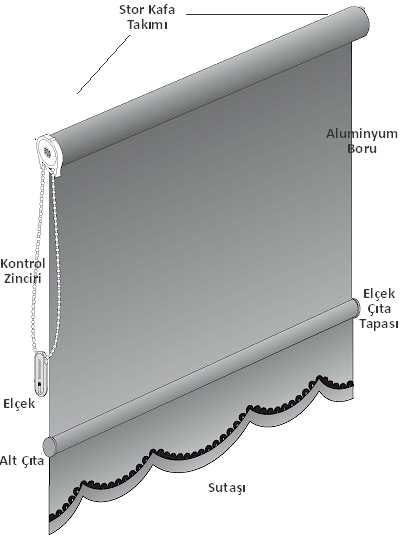
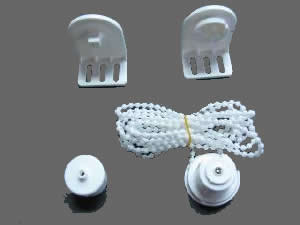
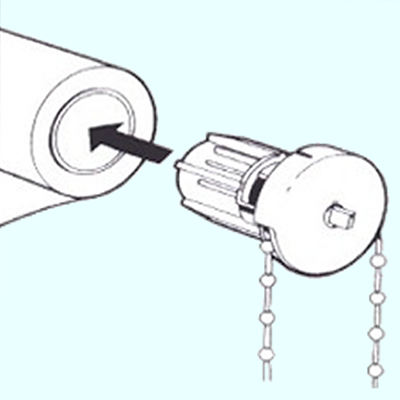
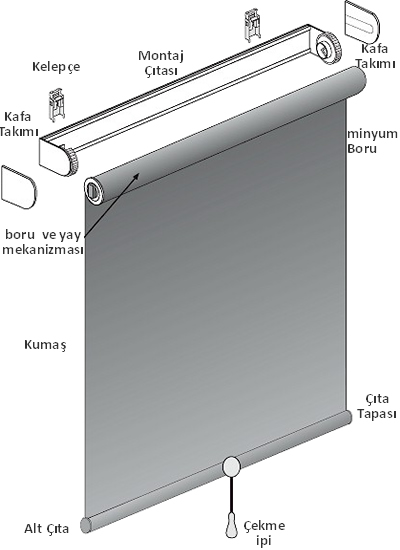
Roller blinds can be manufactured as chain-operated, spring-operated, semi-automatic, or motorized, depending on preference. In chain-operated roller blinds, fabric is typically wrapped around a 32 mm aluminum tube. A roller blind head mechanism is mounted at both ends of the aluminum tube. When the chain is pulled, the fabric rolls around the tube; when pulled in the opposite direction, the fabric unrolls, lowering the blind. The bottom of the roller blind may have a plain hem bar, or optionally, it can be finished with trims like bead or crystal designs. The chain is an endless loop, and the fabric’s rolling direction can be adjusted to descend in front or behind the tube, preventing it from hitting door handles. A small plastic handle is attached to the chain end for neatness. Both ends of the hem bar are fitted with plastic caps for a more aesthetic look. At the very bottom, the blind can be customized with decorative cut designs, optionally enhanced with trims, beads, or metal rods.
 |
 |
 |
||
| Roller Blind Parts | Chain-Operated Roller Blind Head Mechanism | Head Mechanism Installation |
Spring-Operated Roller Blind Parts
In spring-operated roller blinds, fabric is wrapped around a 32 mm aluminum tube. A spring set and caps are mounted at both ends of the tube. The spring is pre-tensioned and attached to the mounting rail, which is then fixed to the wall or ceiling with roller blind brackets. Pull cords are used to open the blind, and when released slowly, the spring locks the blind in place at the desired height. To raise it, pull slightly downward and release without pause, allowing the spring to roll the blind up completely. The blind can be stopped at any point. If the spring loosens and fails to retract fully, it can be re-tensioned.
 |
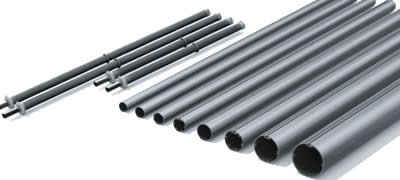 |
| Spring-operated roller blind tubes and springs: 24 mm, 28 mm, 32 mm options |
Motorized Roller Blind Parts
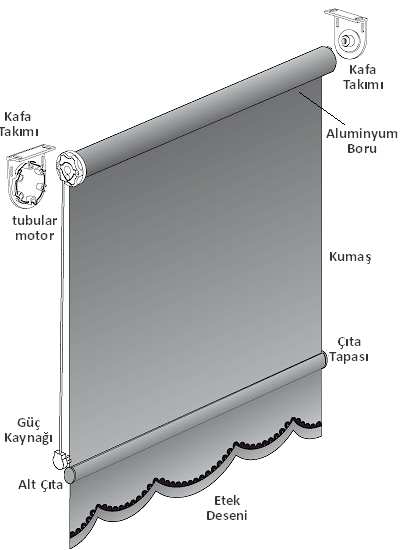
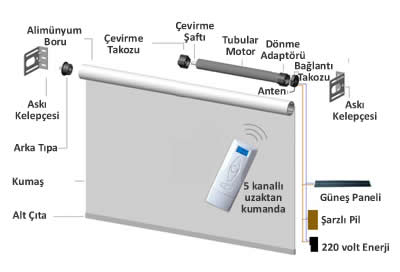
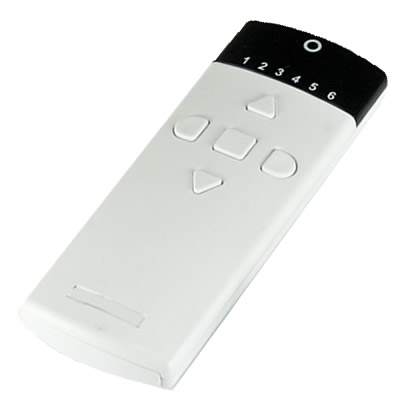
In motorized roller blinds, fabric is wrapped around a 45 mm aluminum tube. A tubular motor is mounted on either side, with a cap on the opposite side for installation. After electrical wiring is completed, the blind is operated up and down with a multi-channel remote control. Once installed, top and bottom limits are set, ensuring the blind stops at the desired positions.
 |
 |
 |
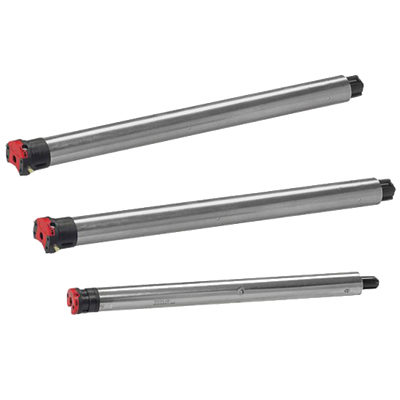 |
| Detailed Chain-Operated Roller Blind Diagram | Detailed Motorized Roller Blind Diagram | 6-Channel Roller Blind Remote | Motorized Roller Blind Tubular Motor |
Measuring for Roller Blinds
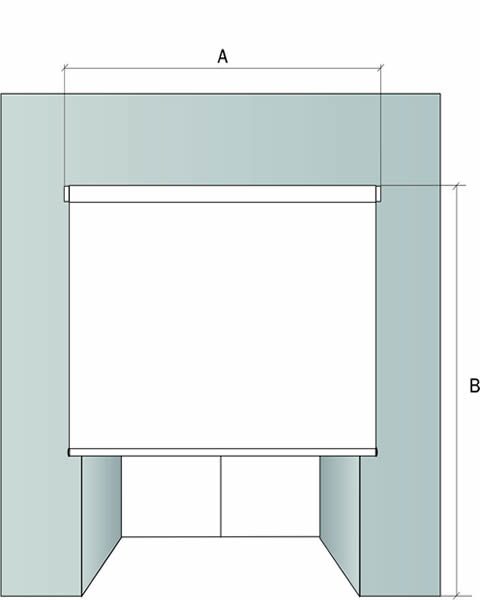
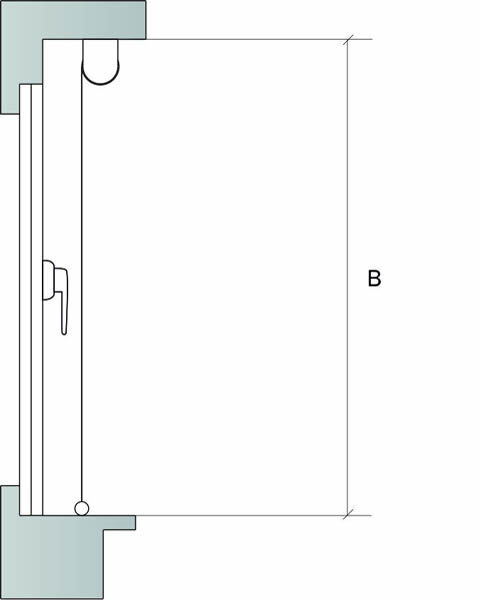
When measuring for roller blinds to be installed above a window or door, extend 10 cm beyond the frame (A) on each side. For height (B), add 20 cm to allow fabric roll space.
 |
 |
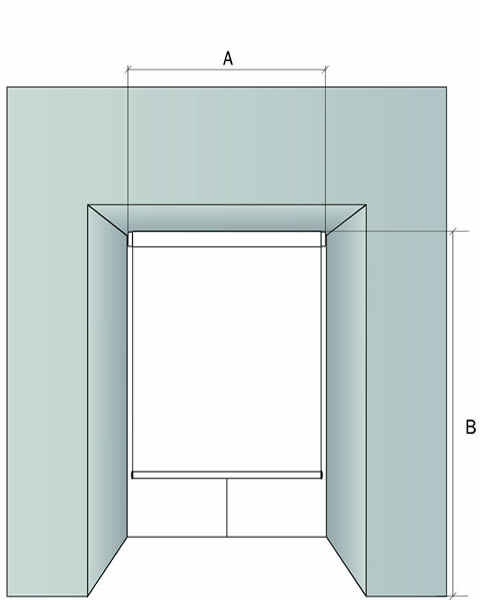 |
|
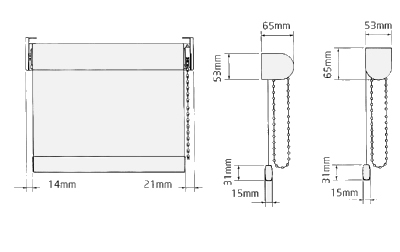
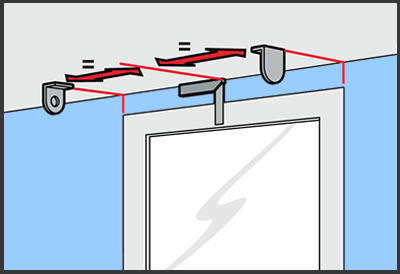
| When viewed from above, carefully determine the installation spot to prevent contact with window or door handles. | For inside-frame measurements, check wall alignment and take the narrowest width to ensure smooth operation. Deduct 0.5 cm from both sides before ordering. | For side profiles, ensure clearance for window/door handles. Insufficient space may prevent opening. | Below are roller blind thicknesses and widths. Review carefully when placing an online order. |
 |
 |
 |
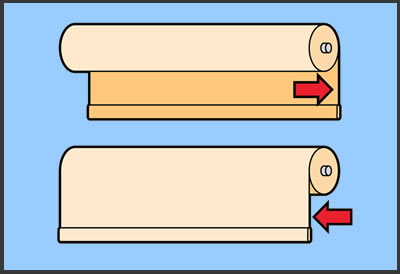 |
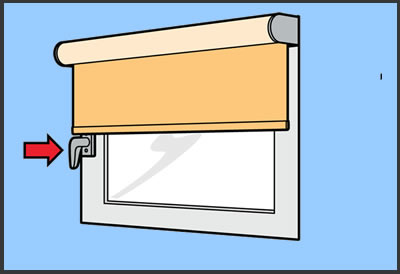
| For ceiling installation, consider the possibility of doors or windows not opening properly. | If opening seems difficult, consider mounting above the frame. | If handles obstruct, reverse rolling can be applied using the endless chain. | Roller blind fabric rolling direction |
Roller Blind Installation
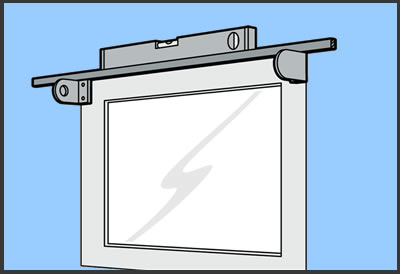
When installing roller blinds, ensure proper leveling. If the blind rolls unevenly to one side, the cause is improper leveling during installation.
 |
 |
 |
|
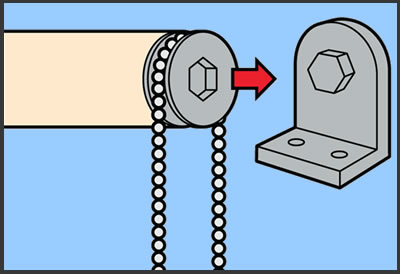
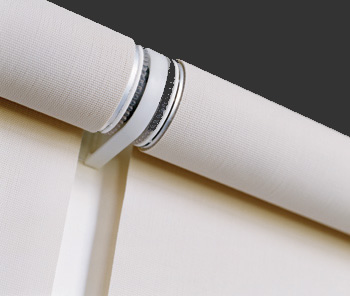
| After mounting the brackets, install the head mechanism as shown. | Press the spring-loaded pin on the other end to fit it into the bracket slot. | If you need to install two roller blinds side by side, use a connector bracket between them to minimize gaps. | |










Reviews
Clear filtersThere are no reviews yet.