
 Curtain Motors
 Controls
 Tubular Engines
 Venetian Blind Motors
 Vertical Engines
 Vertical Apparatus
 Fabric Curtain Spare Part
 Folding Curtain Square Shaft Spare Parts
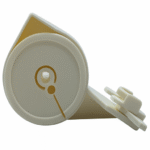 Folding Curtain Hexagonal Shaft Spare Parts
 Bamboo Roller Blind Spare Parts
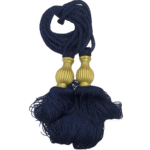 Fabric Curtain Accessories
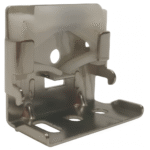 Jalousie Spare Part
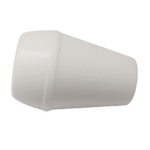 Wooden Venetian Blind Spare Parts
 Aluminum Venetian Blind Spare Parts
 Roller Blind Spare Part
 16 Mini Machine Spare Parts
 32 Mechanism Spare Parts
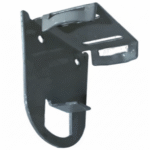 38 Mechanism Spare Parts
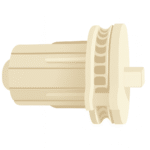 Motorized Curtain Spare Parts
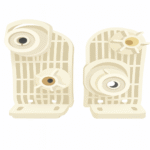 Double System Spare Parts
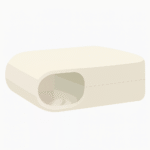 Curtain General Spare Parts
 Vertical Curtain Spare Part
 PVC Vertical Blinds Spare Parts
 Fabric Vertical Blind Spare Parts
 Japanese Curtain Spare Parts
 Wooden Curtains
 Aluminum Jalousie Curtains
 Polyester Roller Blinds
 Blackout Roller Blinds
 Screen Roller Blinds
 Fabric Vertical Curtains
 Tulle Vertical Blinds
 Backdrop Curtains
 Pillow
 Tulle Curtains










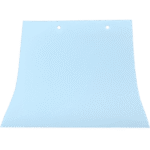
Polyester Roller Blind General Features
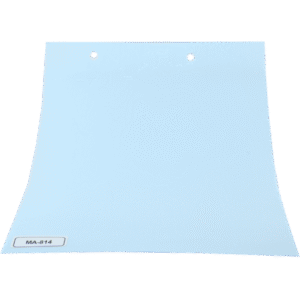
Polyester roller blinds can be either imported or locally produced. Polyester roller blinds, which come in a wide variety of colors, are the most economical type of blinds. Polyester blinds are wipeable, which characterizes the roller blind varieties. These blinds, preferred in homes and workplaces, are mostly used as sunshades due to their high resistance to sunlight. Fabrics made from polyester threads are woven, then dyed, and treated with a thickening and stiffening process called apre. While apre increases the durability of the blind, it makes washing the finished blind difficult. Therefore, polyester and other roller blinds cannot be washed in a washing machine but can be wiped with a damp cloth. Polyester blinds, like other roller blinds, can be produced with chain, spring, or tubular motor systems. The tubular motor is installed inside the roller tube. In addition to motorized operation, various hem styles like sutaşı (waterfall) or beads can be applied to polyester roller blinds.
Choosing the Color of Polyester Roller Blinds
The color blue on a blind symbolizes solitude, leadership, wisdom, trust, and loyalty. Conducting business meetings in a blue environment can convey determination and commitment. Blue is one of the most popular colors. However, when used in connection with food, caution is needed because blue naturally suppresses appetite and can sometimes create a repulsive effect, representing sadness or depression. Blue is the most appetite-suppressing color among all colors. Naturally, blue-colored foods are rare. Blue foods are perceived as repulsive because, in ancient times, our ancestors learned to avoid poisonous or spoiled food, which often appeared blue, purple, or black. Experiments show that when participants were offered food colored with blue dye, almost all lost their appetite.
A blue-colored blind relaxes the nervous system. Unlike red, it has a calming effect on the mind and encourages people to delve into their thoughts. Blue can be an ideal color for a peaceful and calm bedroom because it stimulates the body to release calming chemicals. However, darker shades of blue can feel cold and gloomy. Blue-colored blinds and rooms can increase productivity as long as the tones are not too dark. Studies show that students in rooms with blue blinds achieve higher grades, weightlifters lift heavier loads, and people remember text written in blue more easily.
Chain Roller Blind Components
Roller blinds can be manufactured as chain-operated, spring-operated, semi-automatic, or motorized. Chain-operated roller blinds usually have the fabric wound onto a 32 mm aluminum tube. On both sides of the aluminum tube, the roller blind head is installed for mounting. Turning the chain rolls the fabric onto the tube; reversing the chain lowers the fabric and closes the blind. The bottom of the blind can have a straight hem or optional waterfall or bead styles. The chain is a continuous loop, and the fabric’s descent can be adjusted to avoid contact with door handles. A plastic handle is attached to the chain’s end for smooth operation. Both ends of the aluminum tube have plastic caps, providing an aesthetic appearance. The bottom may feature various hem patterns, optionally finished with waterfall, beads, or metal rods.
Roller Blind Components:
-
Chain Roller Blind Head Assembly
-
Head Assembly Installation
Spring Roller Blind Components
Spring roller blinds also have fabric wound on a 32 mm aluminum tube. Both sides of the tube are fitted with a spring assembly and end caps for mounting. The spring is set and connected to the mounting strip, which is then installed on the wall or ceiling using roller blind brackets. The blind is opened by pulling the cord, released slowly upwards to lock at the desired position. To raise it again, pull the cord lightly down and release. The spring allows smooth upward movement, and the blind can be stopped at any point. If the spring loses tension and does not pull the blind up, it can be tightened further.
Spring roller blinds come in 24 mm, 28 mm, and 32 mm tube sizes with corresponding springs.
Motorized Roller Blind Components
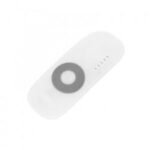
Motorized roller blinds use a 45 mm aluminum tube onto which the fabric is wound. A tubular motor is installed on the right or left side of the tube, and the opposite side is fitted with an end cap. After connecting the electricity, the blind is operated using a multi-channel remote. Once installed, the upper and lower limits are set, ensuring the blind stops at the desired top and bottom positions.
Components:
-
Detailed chain roller blind diagram
-
Detailed motorized roller blind diagram
-
6-channel roller blind remote
-
Motorized roller blind motor (tubular motor)
Measuring Roller Blinds
When measuring for a window or door, the width (A) should extend 10 cm beyond the right and left of the frame. For height (B), add 20 cm for rolling allowance.
When viewed from above, the mounting position should avoid contact with opening doors and window handles.
For inside-frame measurements, pay attention to the straightness of adjacent walls. Measure at the narrowest point for proper operation. Reduce the measured width (A) by 0.5 cm from both sides when ordering. Also, consider door/window opening directions and handles; insufficient space can prevent proper operation. The diagram below shows blind thicknesses and widths. Review it carefully when ordering online.
For ceiling mounting, consider the possibility of doors or windows not opening fully. If needed, install on top of the frame. If handles interfere, use the chain to reverse-roll the blind to avoid obstruction.
Roll Direction of Roller Blinds
Roller Blind Installation
Ensure the blind is level during installation. If the blind rolls to the left or right while gathering, it indicates imbalance.
After installing the support brackets, attach the mechanism head assembly as shown. Press the spring side of the end cap into the opposite support bracket slot. If installing two blinds side by side, use a connecting bracket to minimize the gap between them.












Reviews
Clear filtersThere are no reviews yet.